pratikshaamin.com
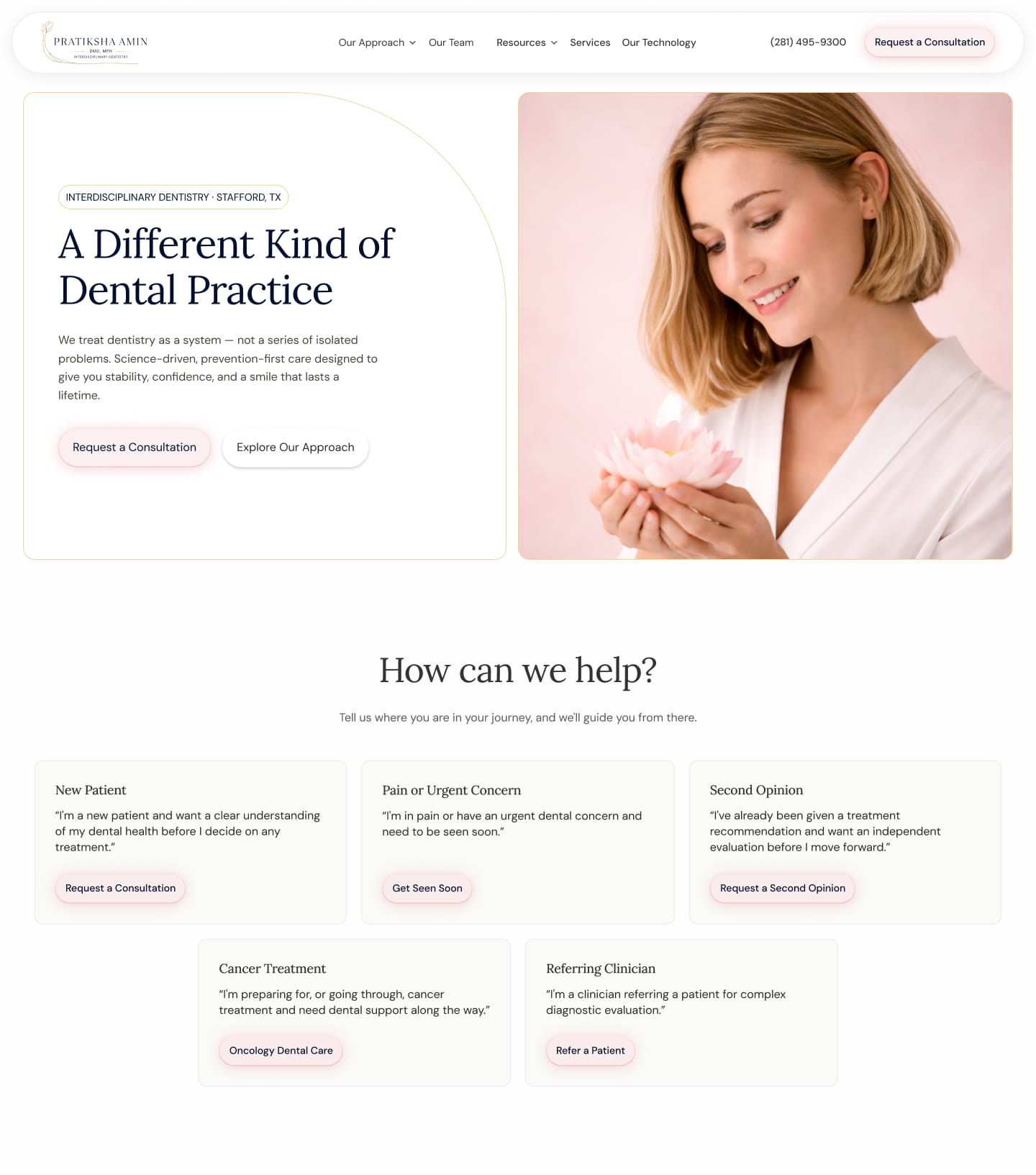
Right now, Patientfy AI is actively managing marketing for hundreds of practices — keeping them visible, competitive, and growing 24/7.
See how Patientfy AI can grow your practice.
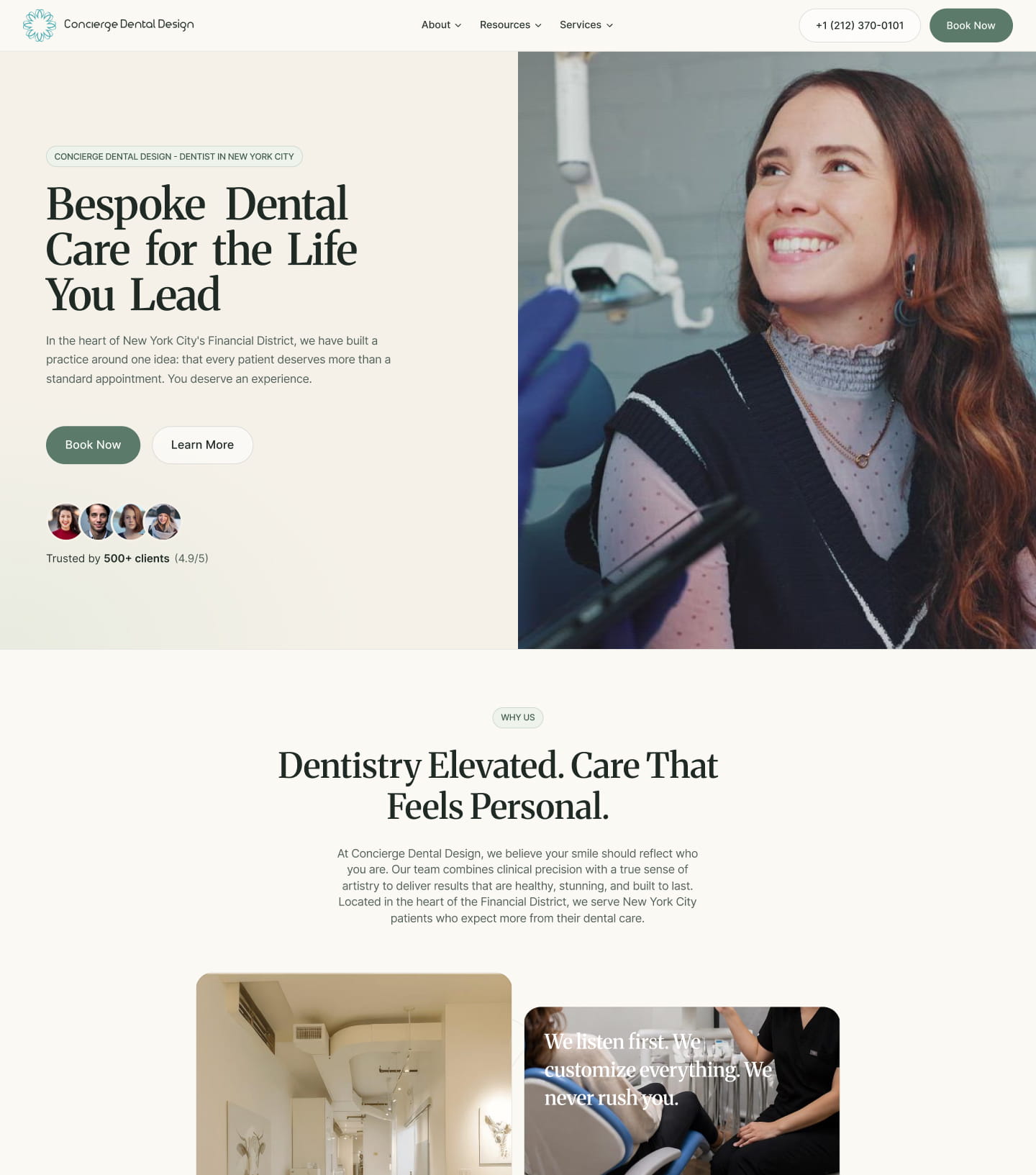
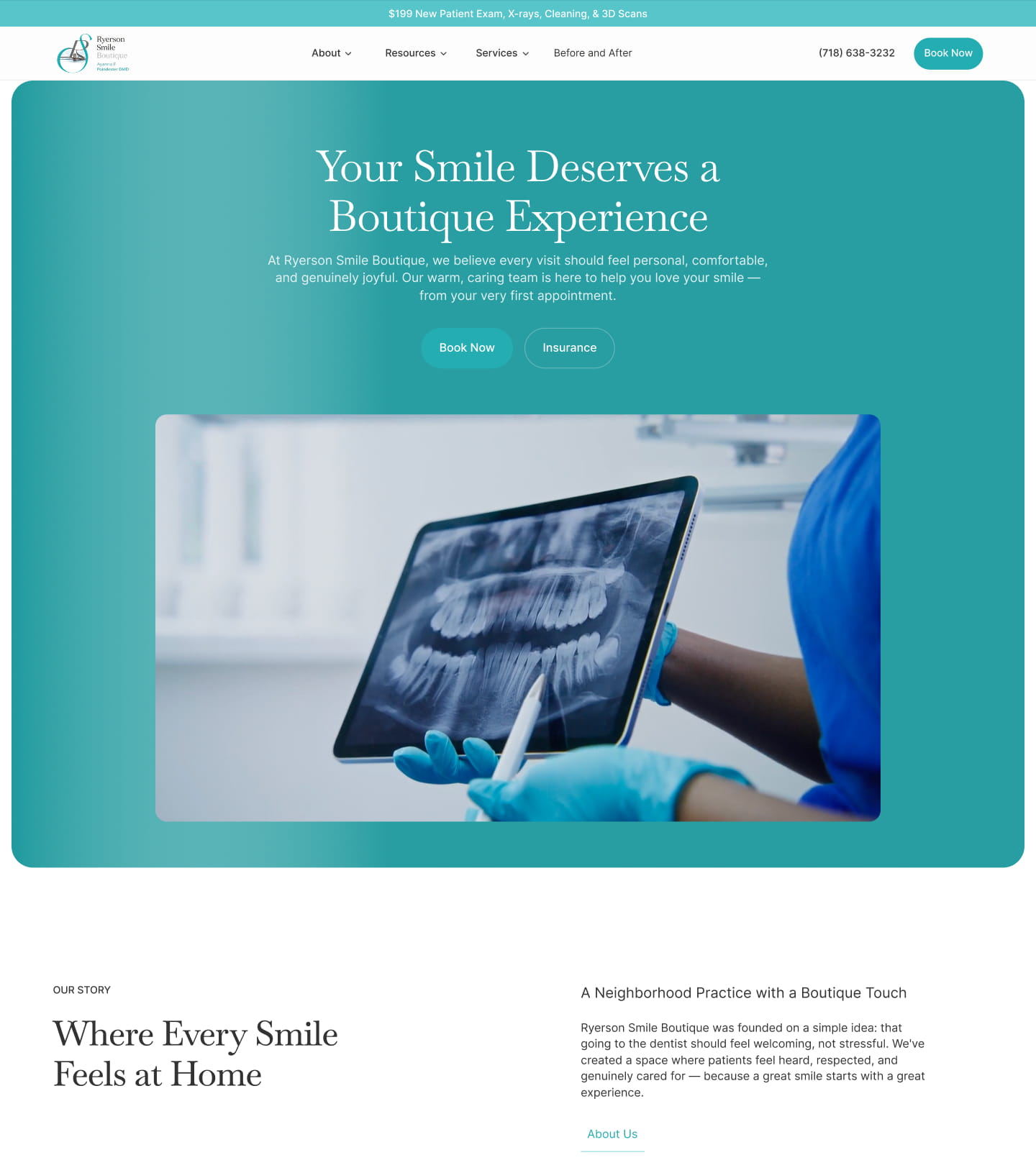
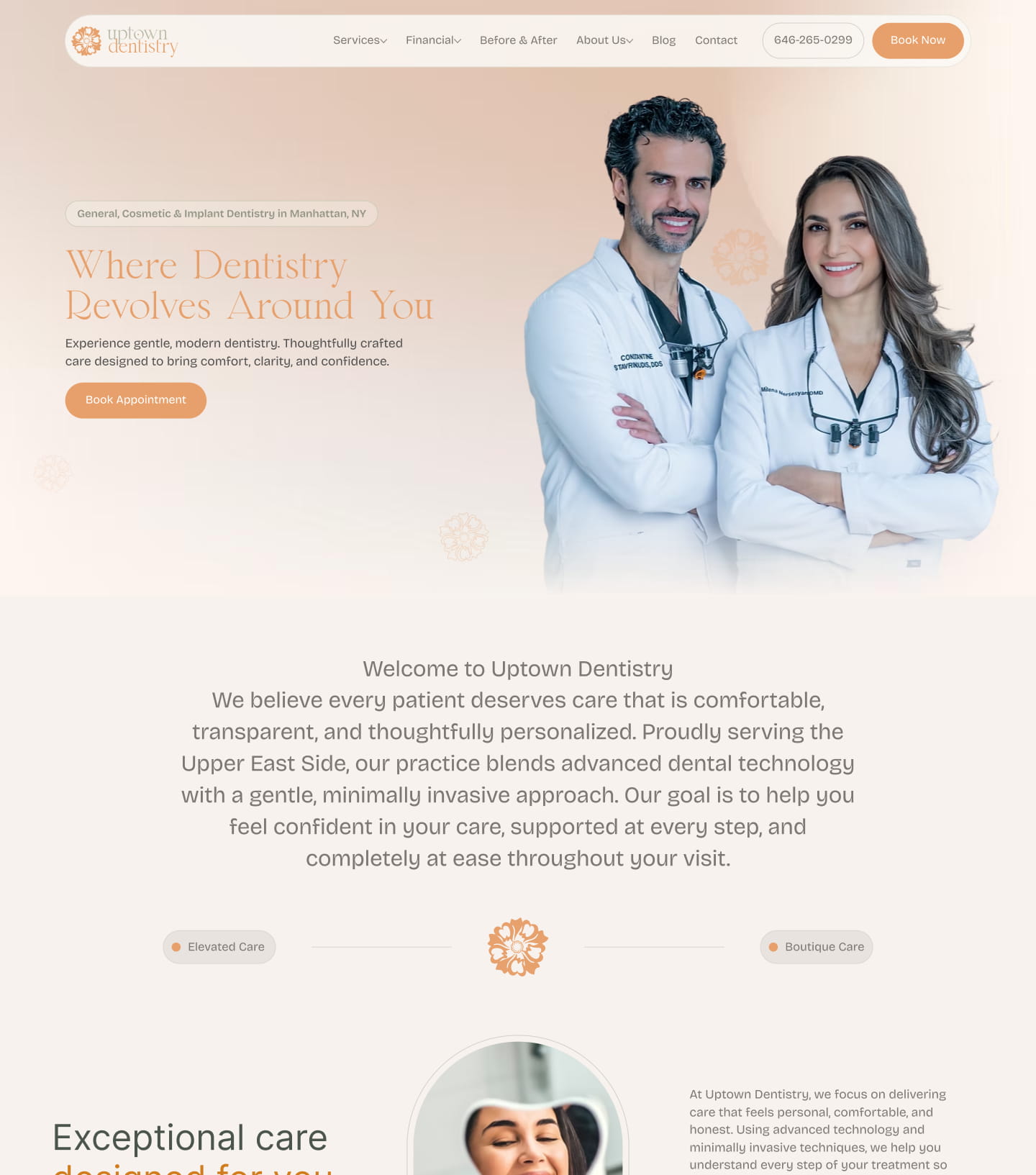
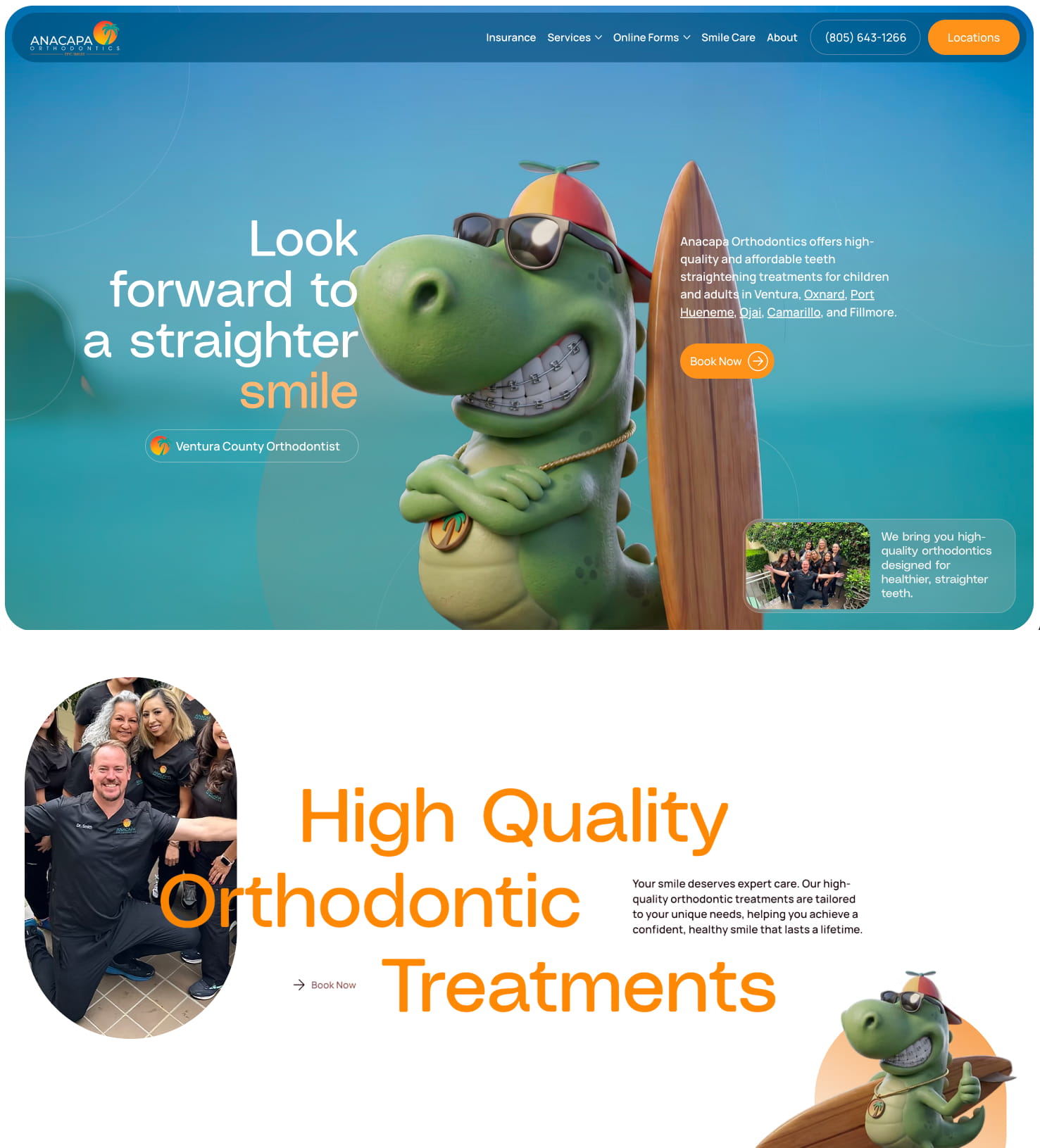
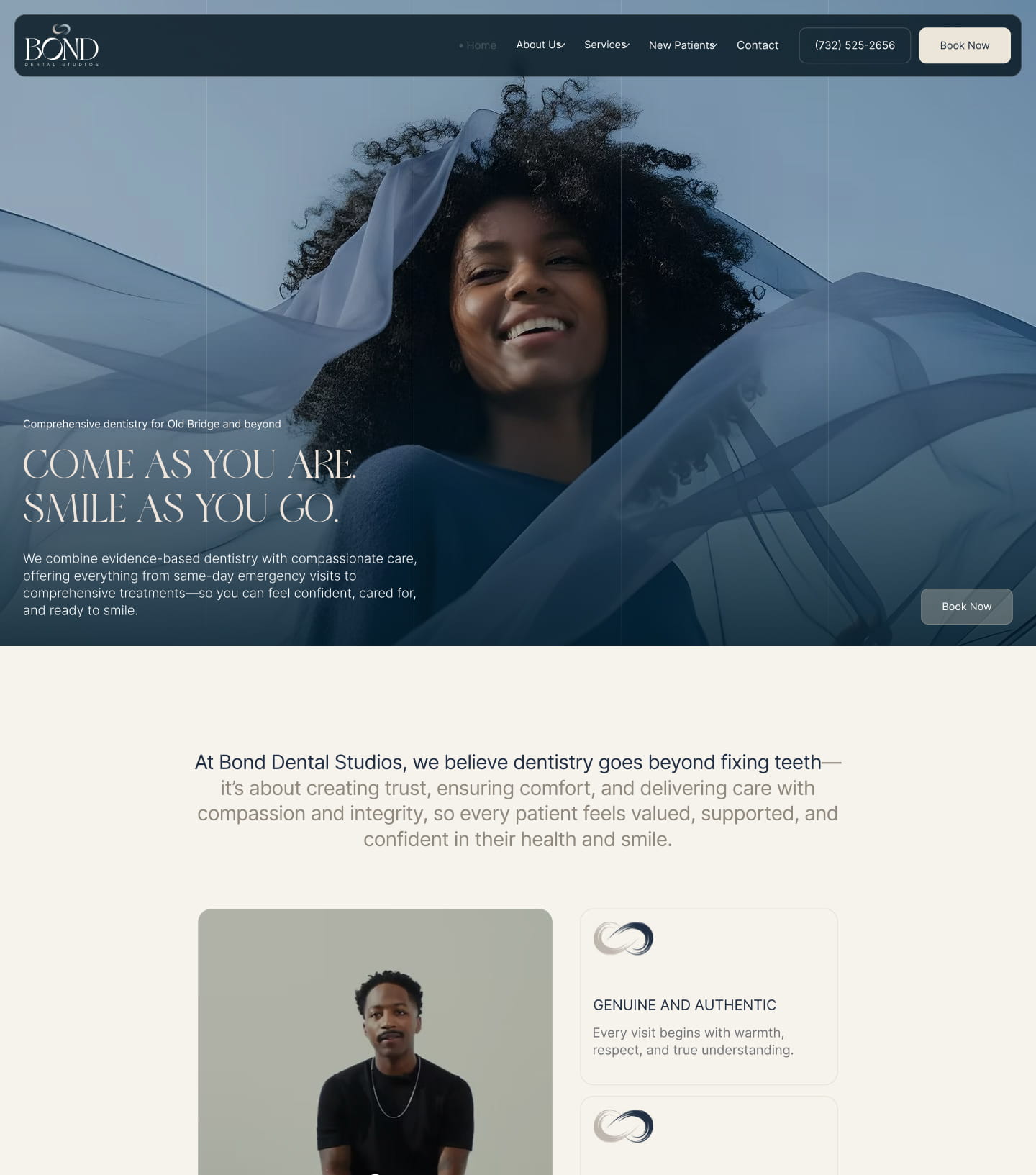
Patientfy AI is your whole marketing team, built in AI. Eleven specialists running every channel, compounding results from every patient who walks through your door. Every practice gets a site that looks like them. Not a template. Live in 7 days.
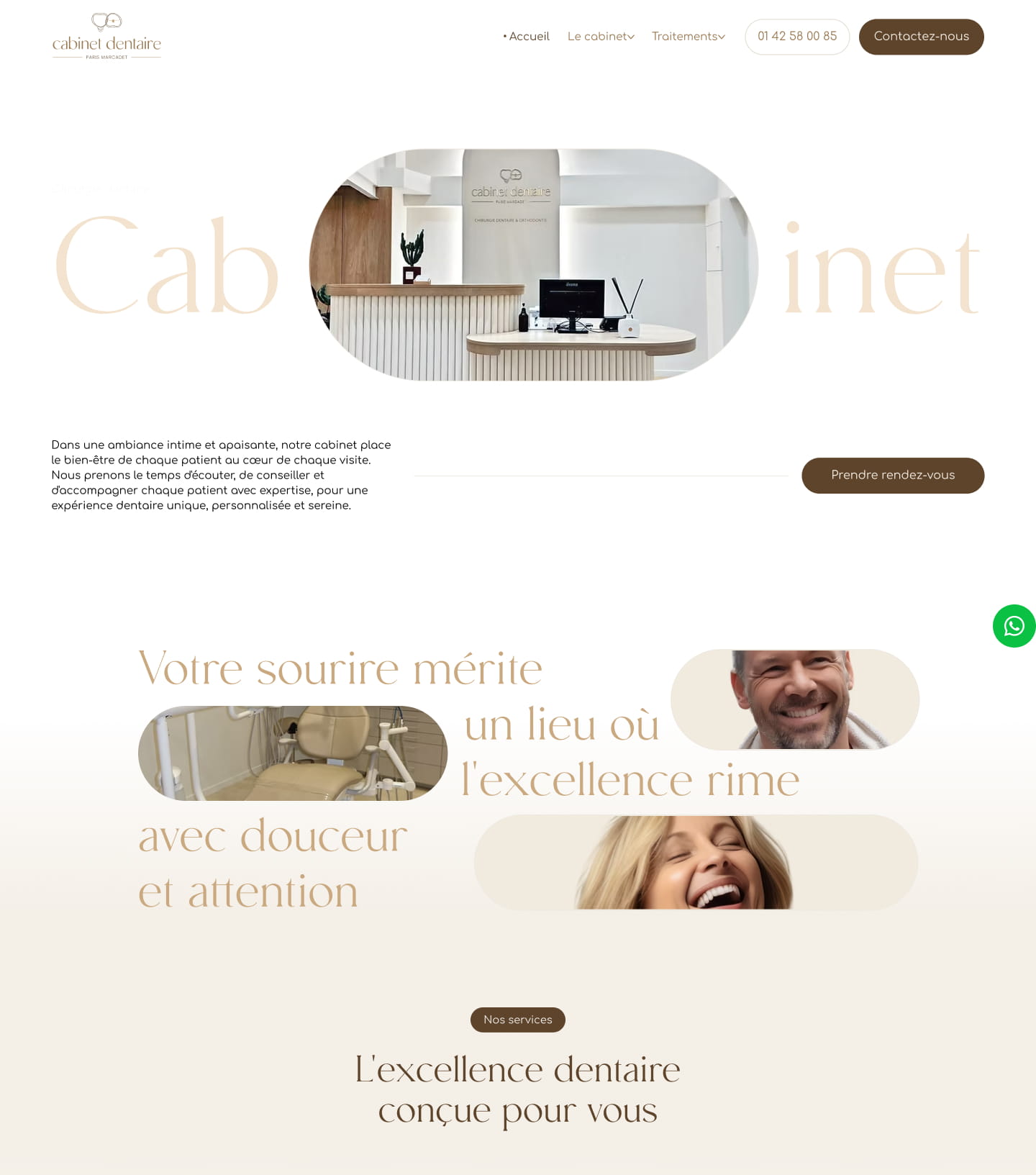
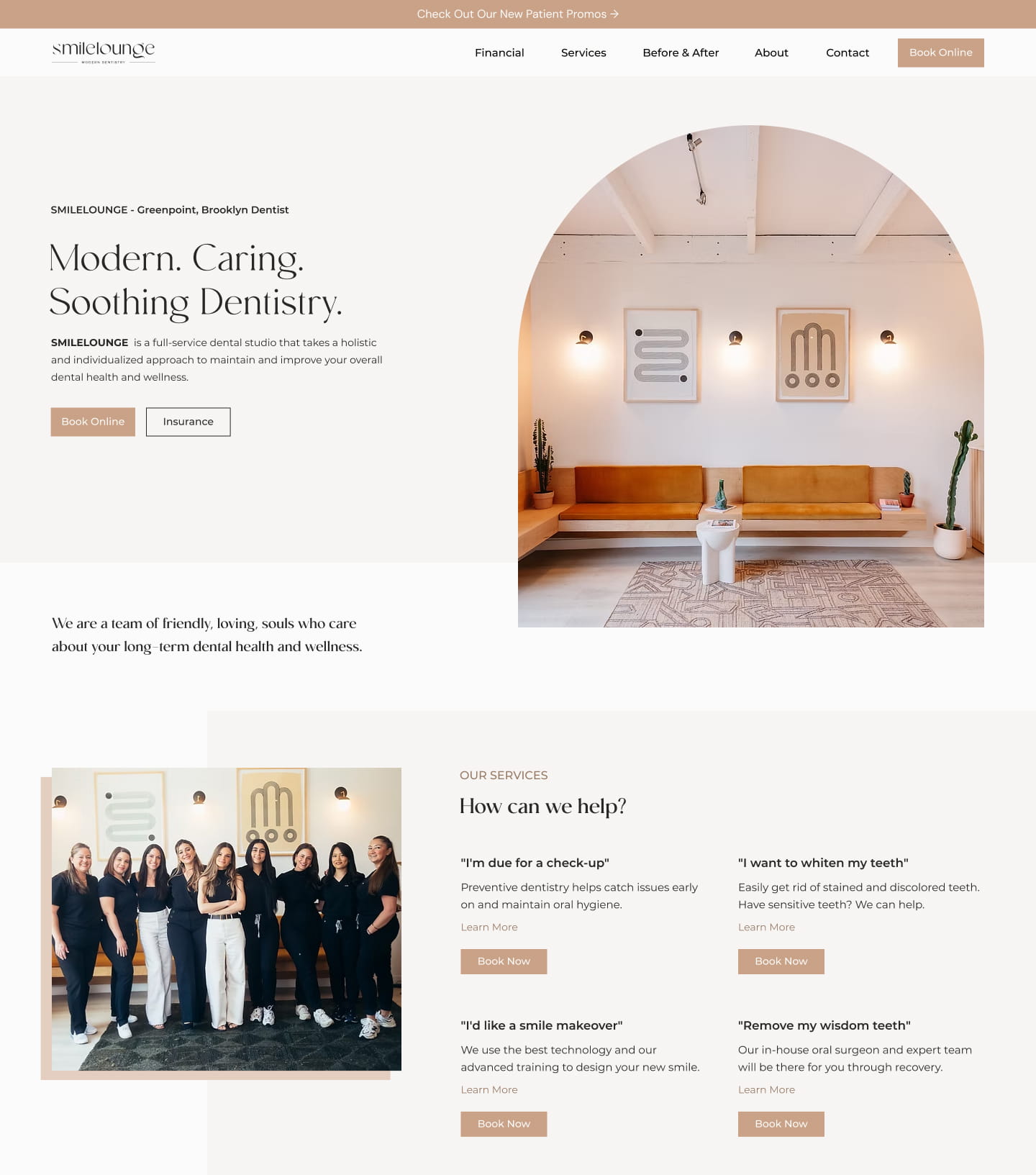
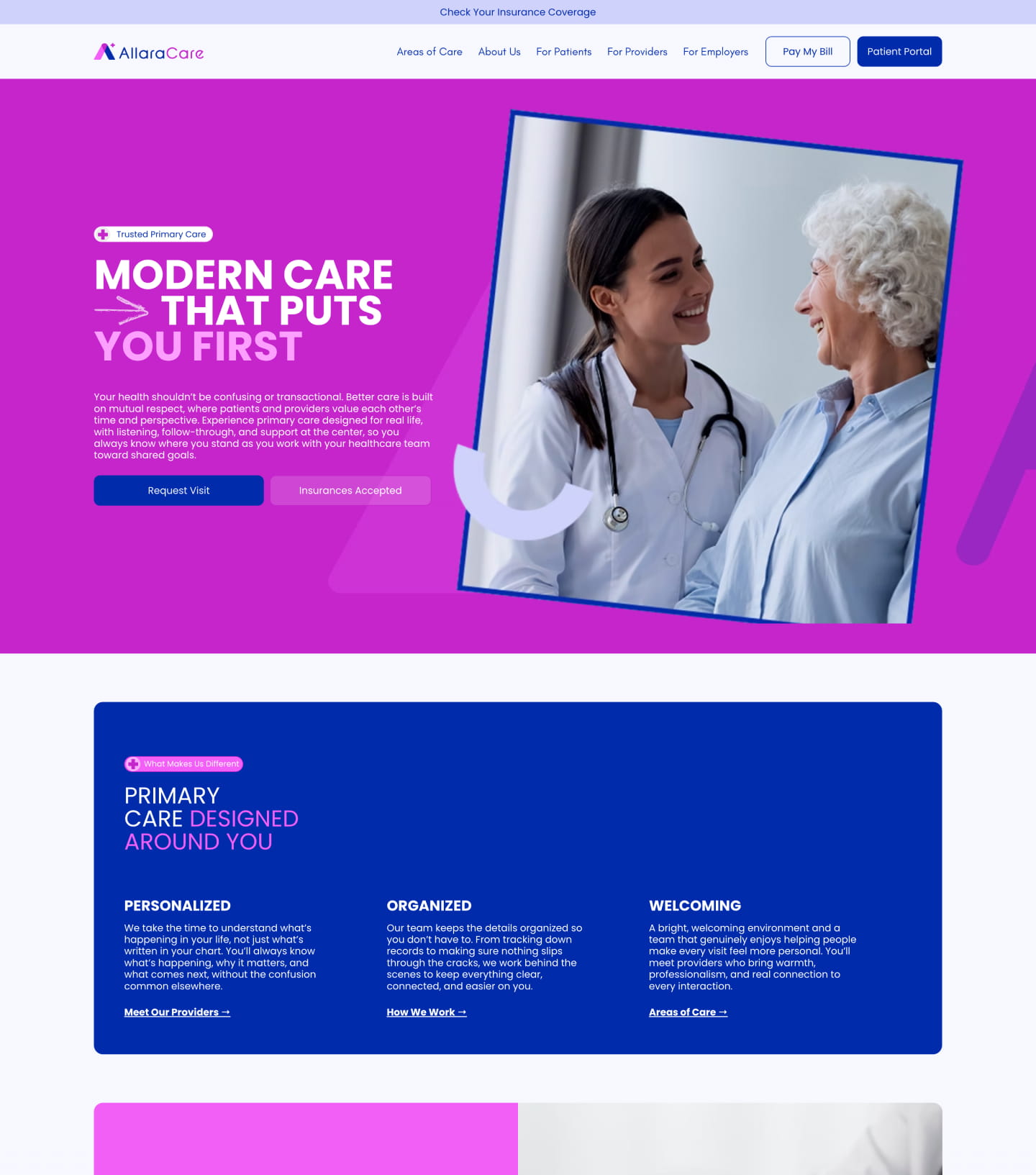
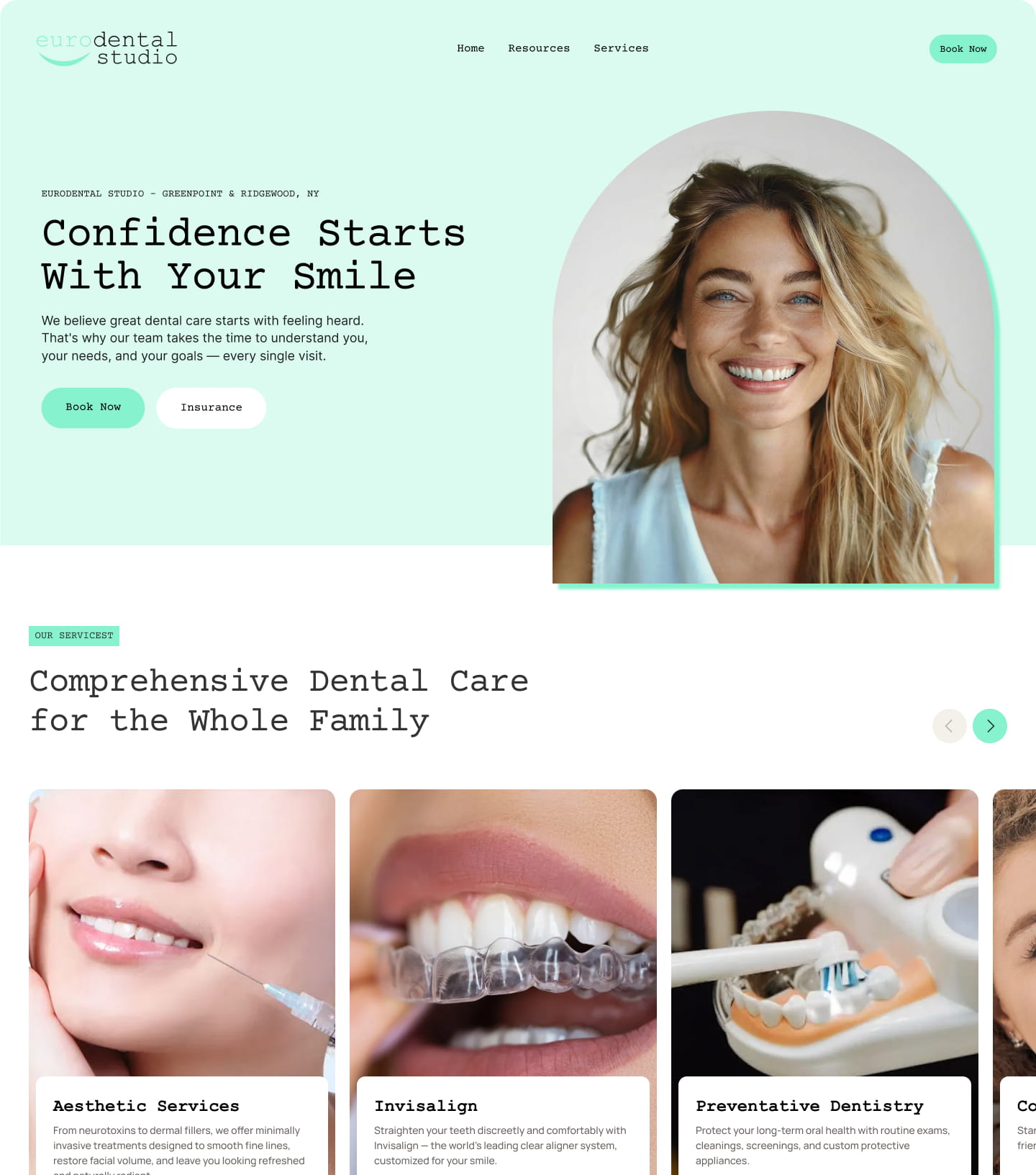
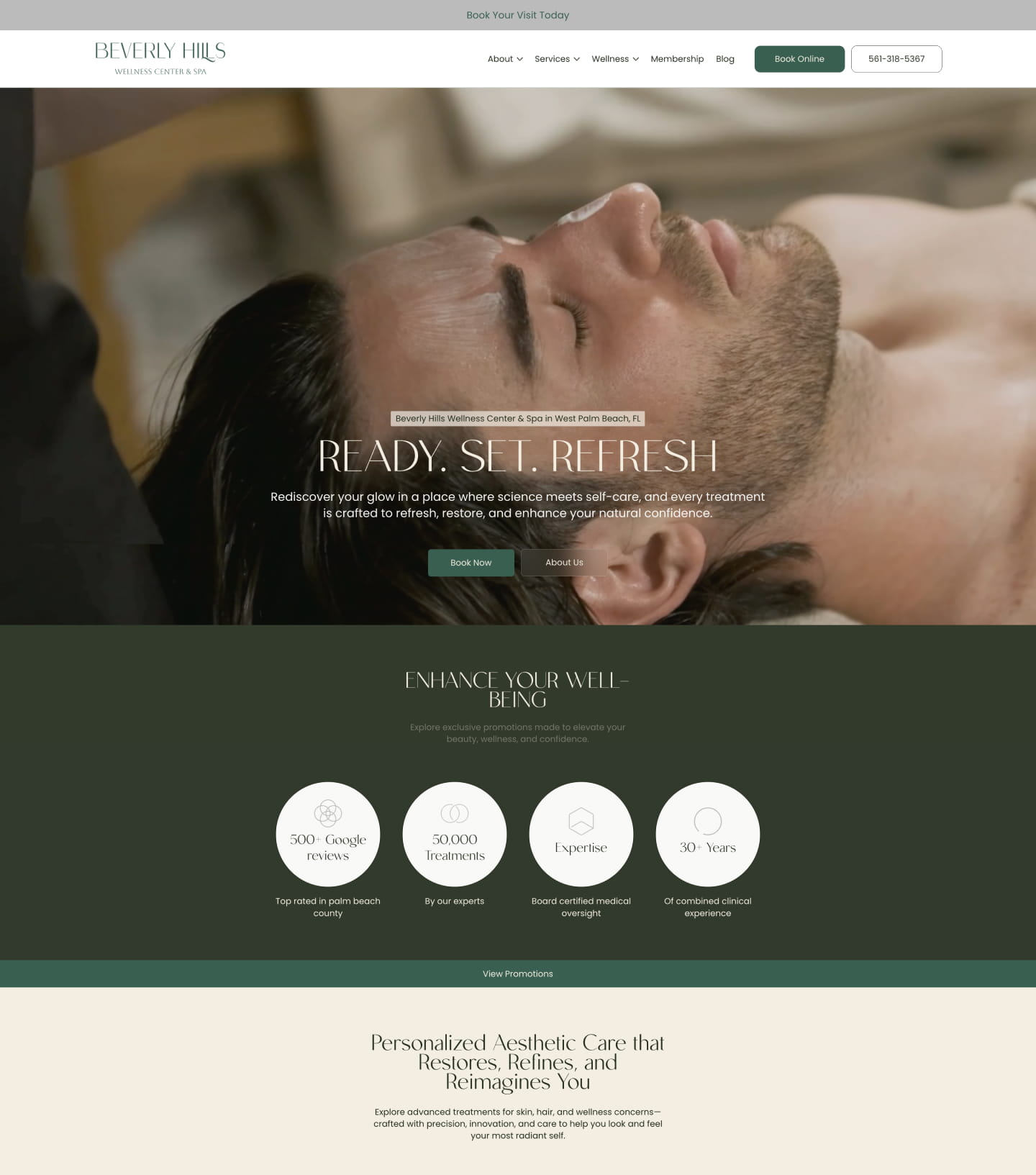
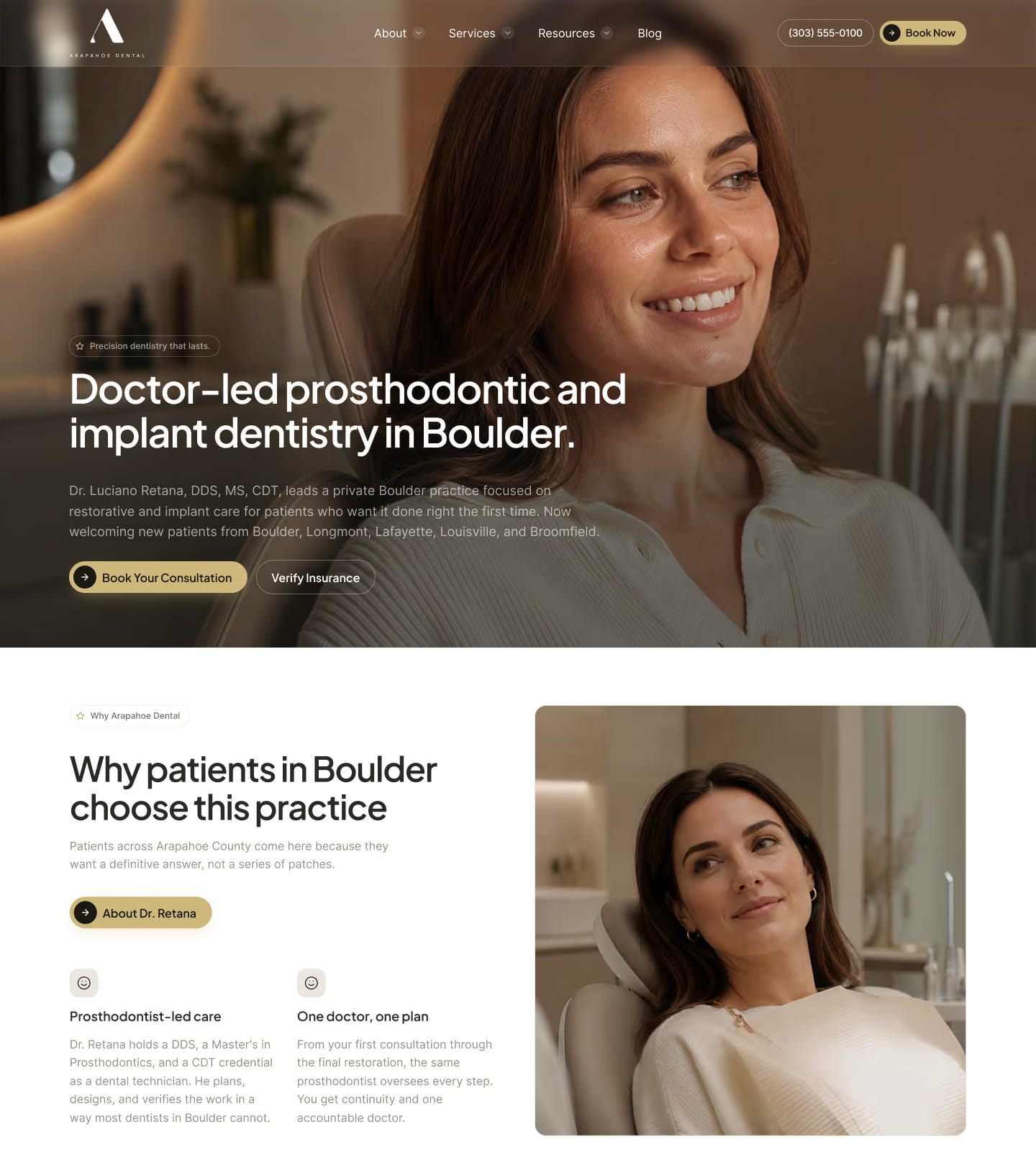
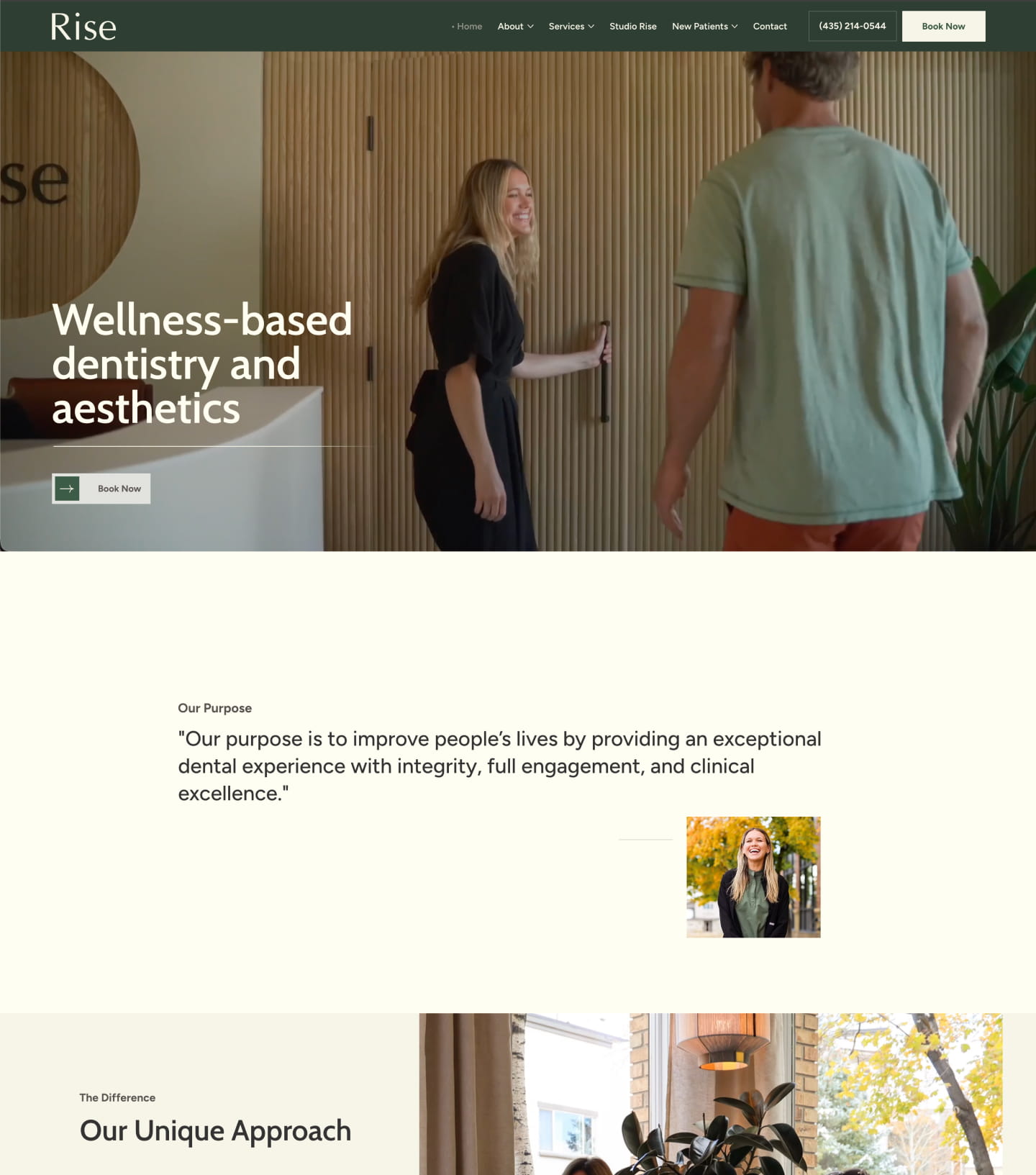
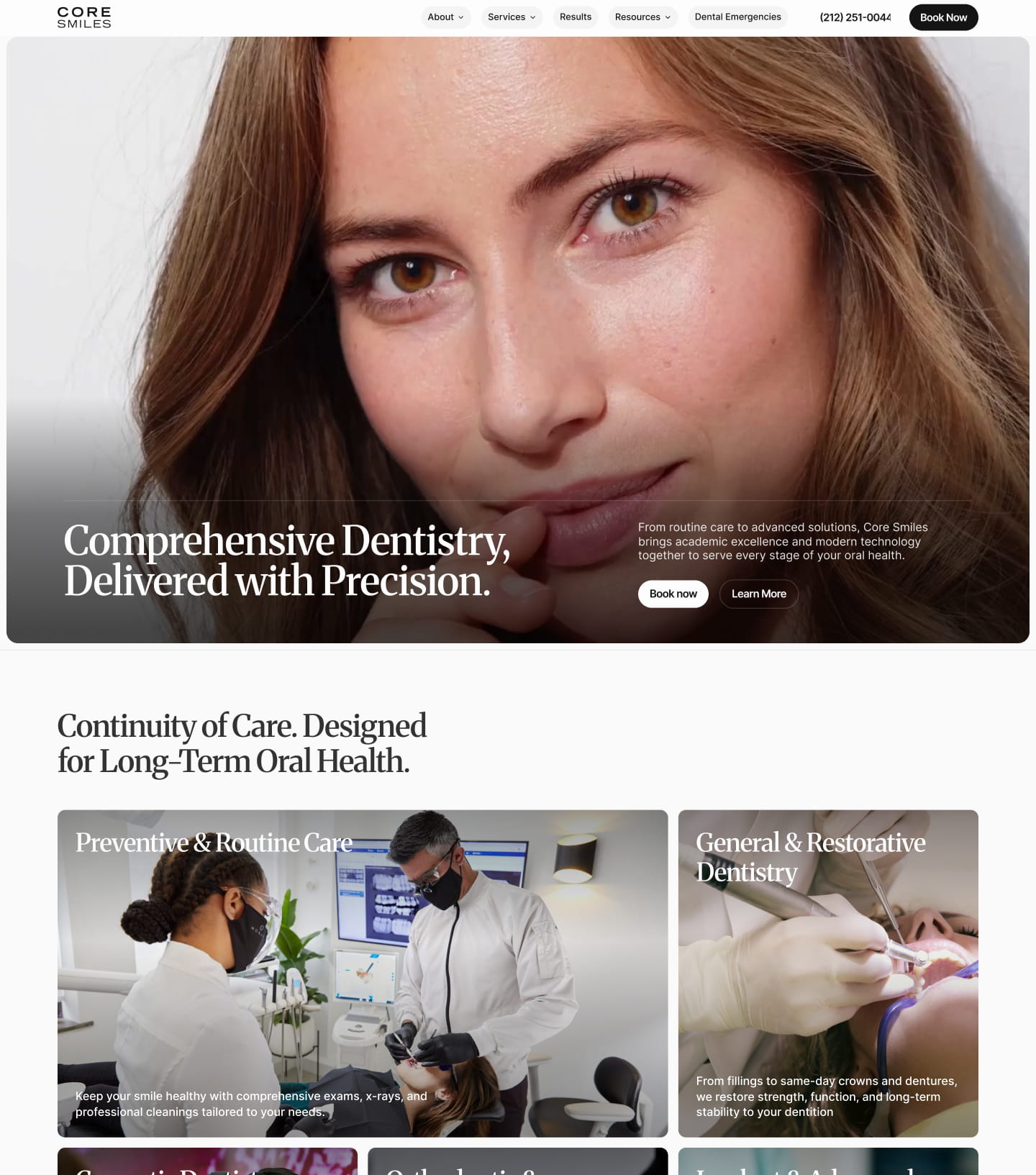
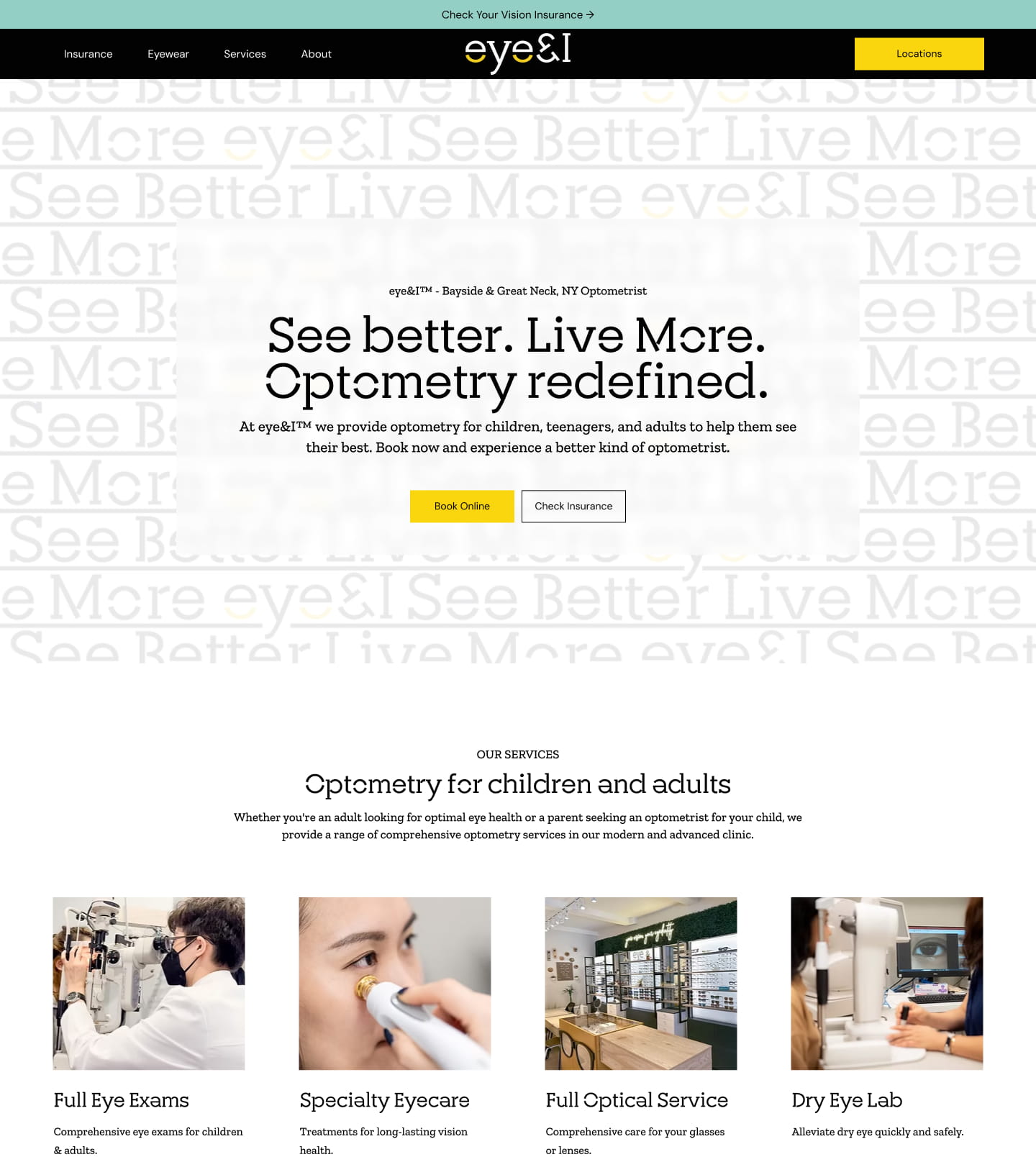
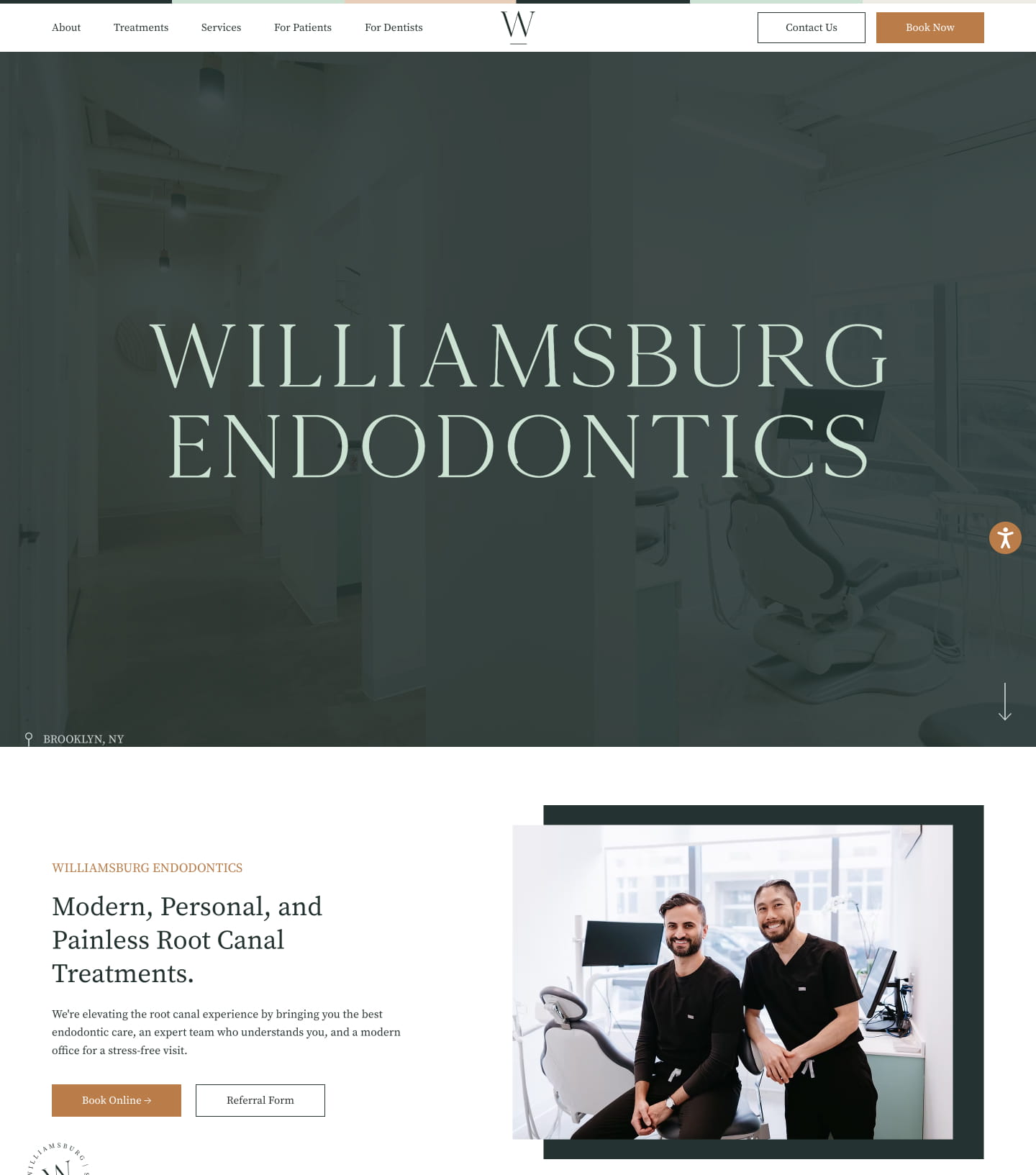
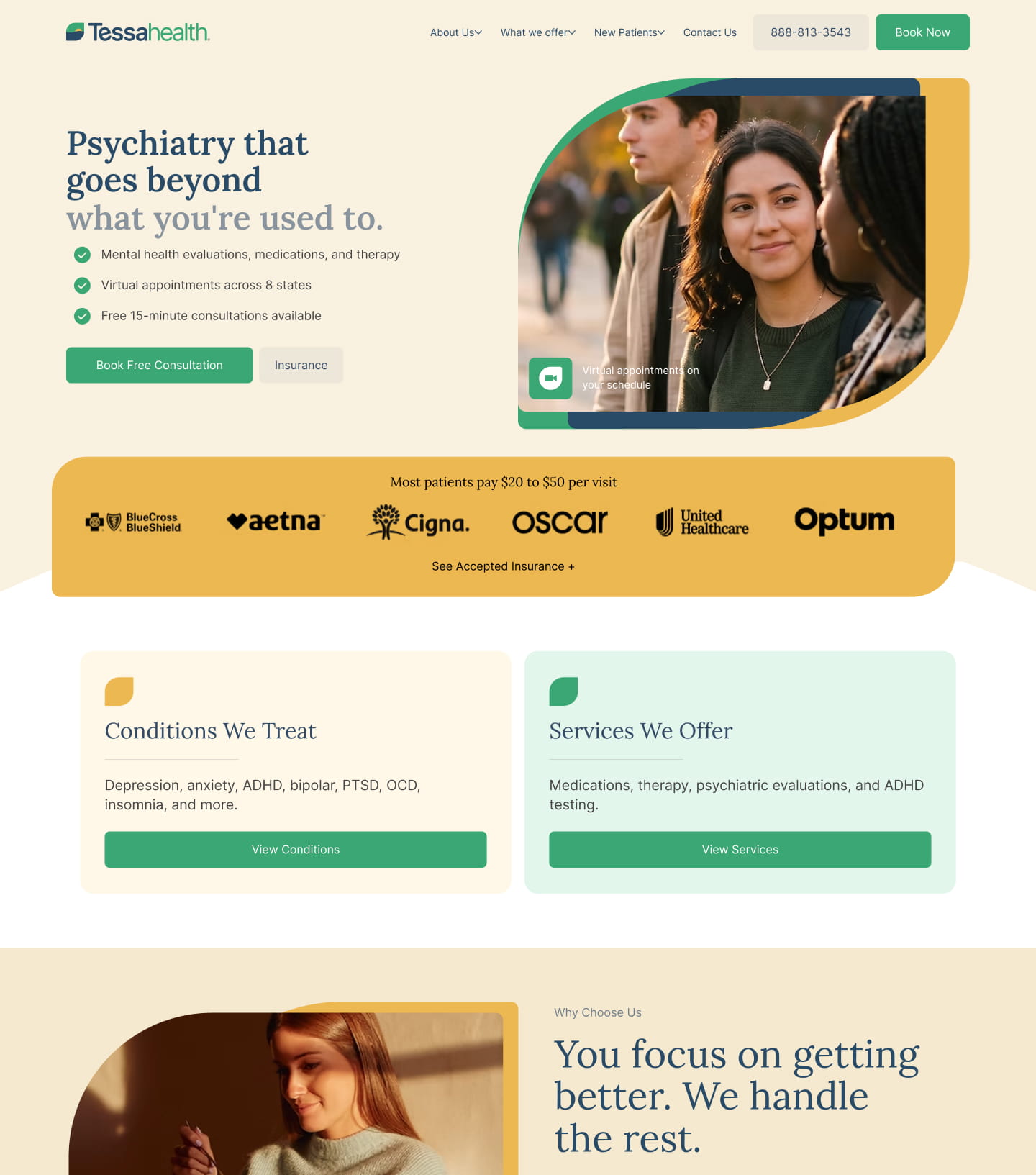
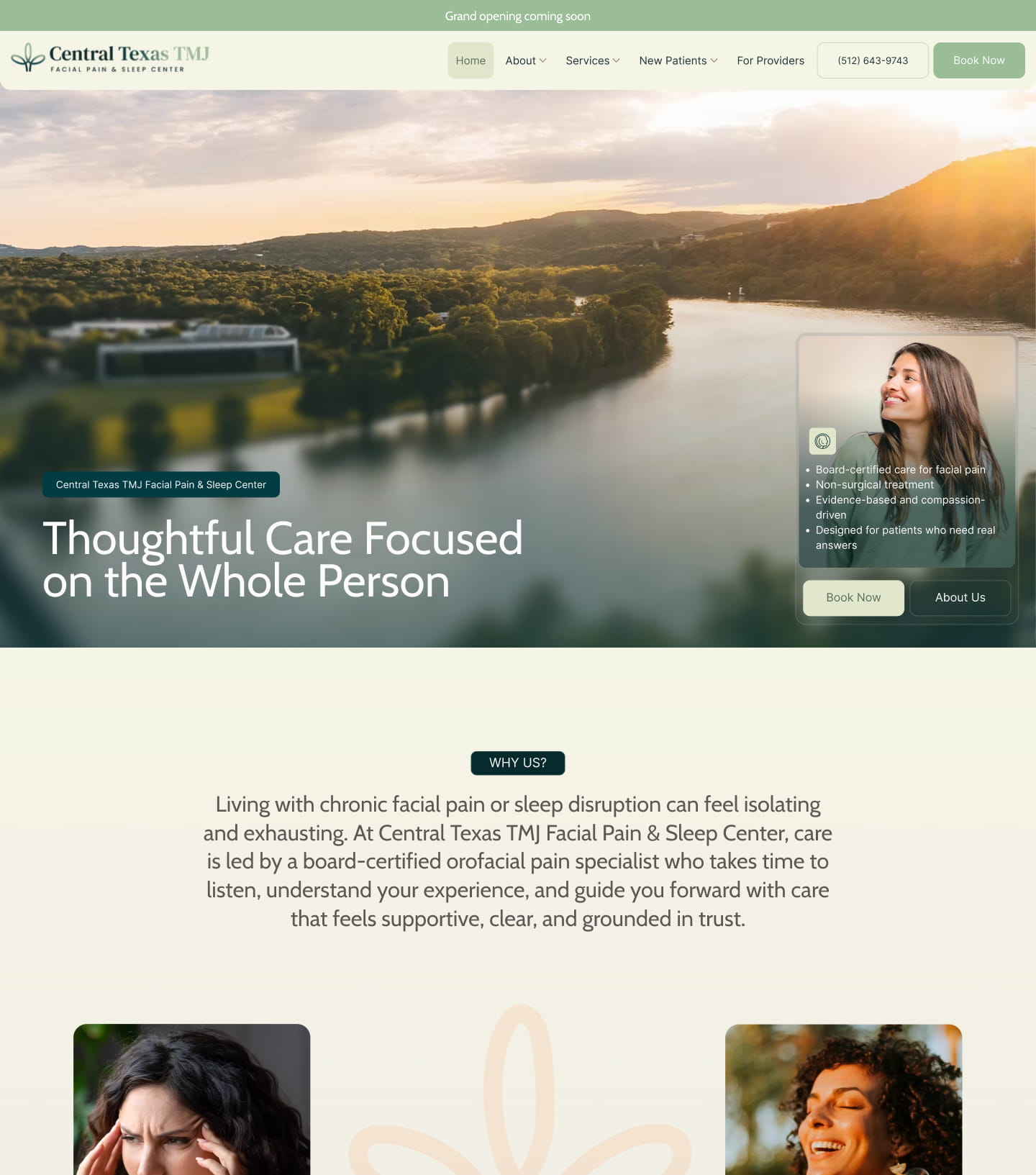
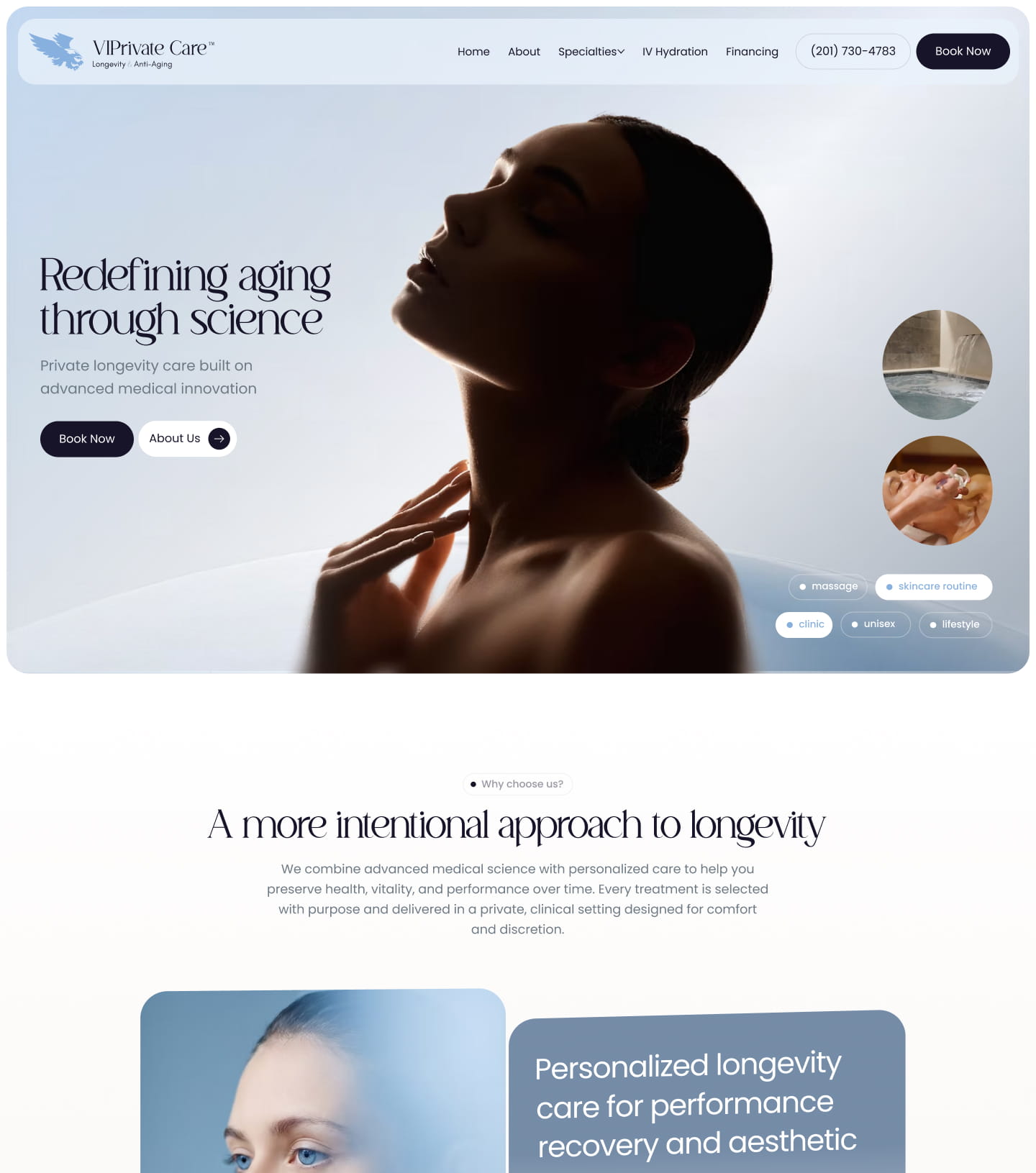
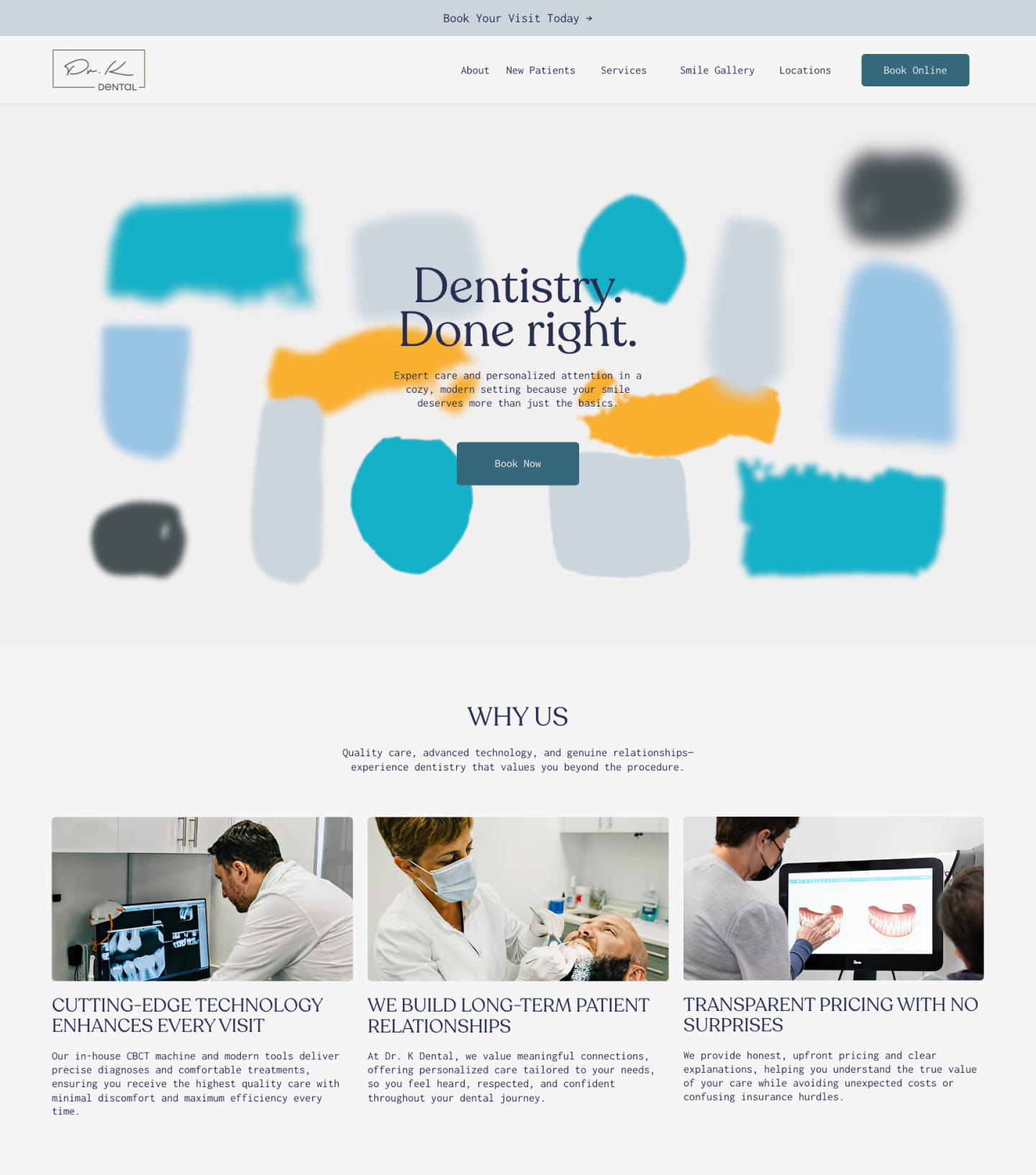
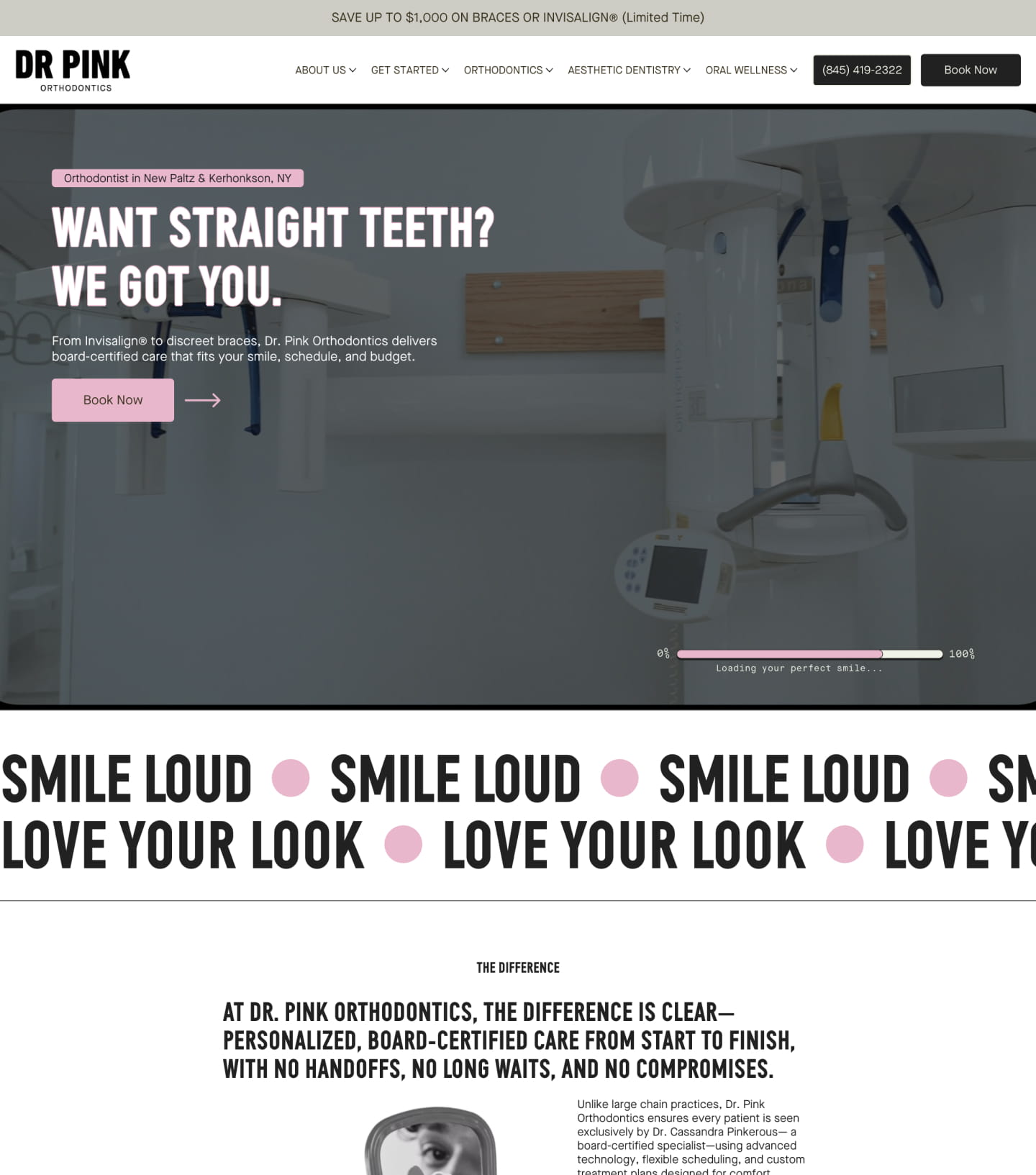
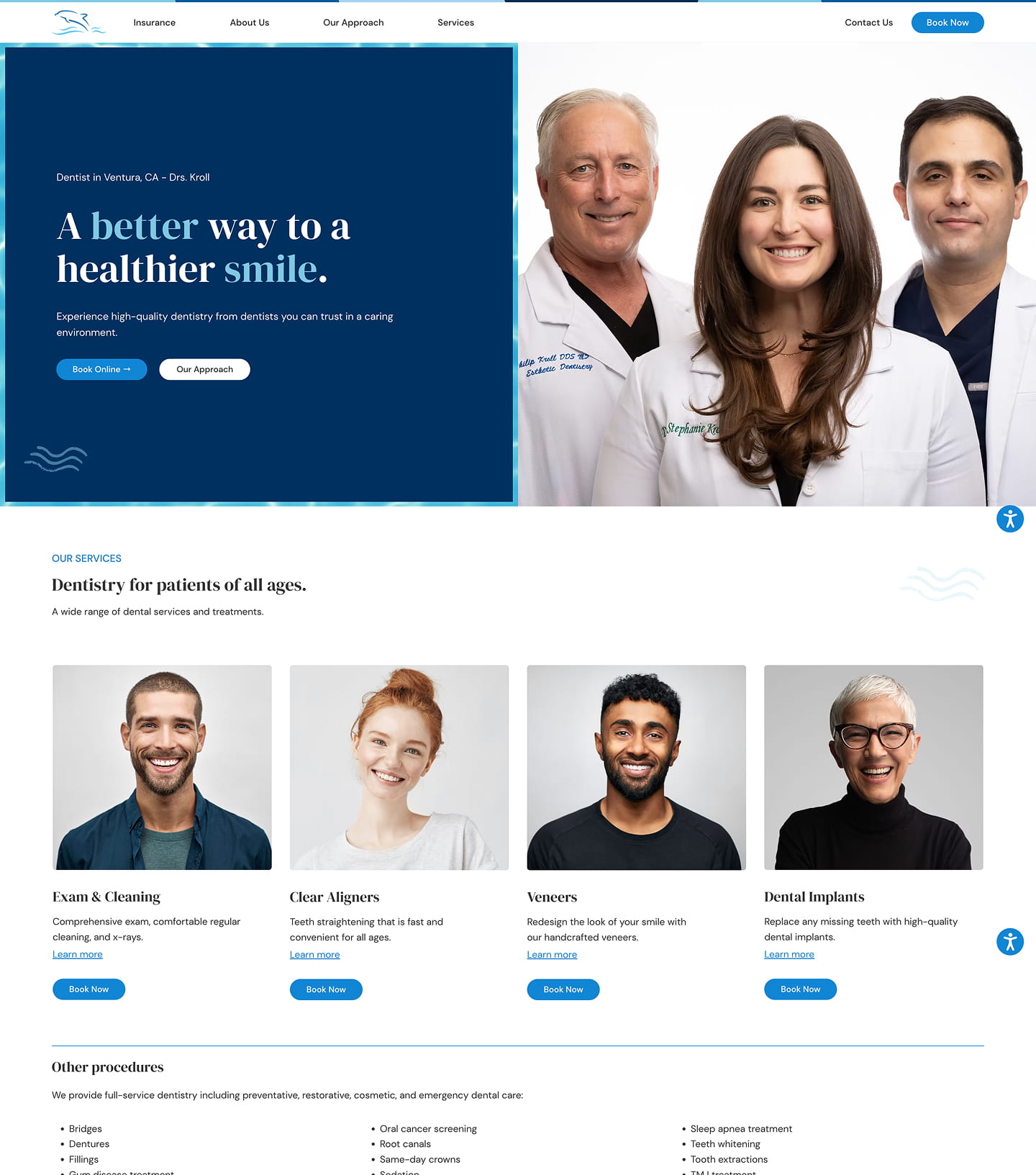
Five hours, six things going wrong, and not one of the six vendors caught any of it. Whether your practice is dental, medical, or both.
None of this would have happened on Patientfy. Here is why.
Seven systems your practice needs to grow. Built into one platform, ordered the way a patient actually moves through your practice. Worked on every minute of every day, not the first Wednesday of the month.
A site we are proud to put your name on. Fast on every phone. Built around how patients actually book. Updates itself when search shifts, when new procedures take off, when your hours change. You will never wait six weeks for a small change again.
Watches Google, Maps, Bing, and AI assistants around the clock. Posts to your Google Business Profile in your voice. Catches a ranking drop at 2 AM and fixes it before breakfast. The work that used to take a monthly call.
Rewrites ad copy when it stops working. Adjusts what you bid on by hour, by day, by neighborhood. Updates the page the patient lands on so it matches the ad. Connects every booked patient back to the ad that brought them in.
Refreshes the creative every week so it does not go stale. Builds your audience from real patients you already see, not random demographics. Reaches the people most like your best cases, before they search.
Posts five times a week in your voice, not a template. Instagram, Facebook, Google Business Profile. Each platform gets native format. Your practice stays present without you touching your phone.
Picks up on the second ring at 9 PM Sunday. Answers basic questions. Books the patient if they want to book. Takes a message if they do not. Never goes home, never gets sick, never lets a call go to voicemail.
Every form, every call, every patient your practice meets, in one place. Tracked from the first ad click to the chair to the next visit. The data that makes every other thing on this page smarter.
The brain behind every campaign. Reads what is working across Google, Meta, and organic. Shifts budget to what converts. Pauses what wastes. Makes the call a strategist would make, but every single day.
Writes ad copy, blog posts, landing pages, and social captions in your voice. Trained on your specialty, your patients, your market. Produces in hours what used to take weeks of back and forth with a copywriter.
Talks to Dentrix, Open Dental, Curve, NextGen, Epic, and the rest. Appointment data flows where it needs to. Recall lists work themselves. Your front desk keeps using the system they already know.
A complete visual identity built for healthcare. Logo, color system, typography, and brand guidelines. Applied consistently across every channel from day one. No mismatched fonts across your site and your ads.
AI is only as trustworthy as the systems around it. Every Patientfy agent is trained on your practice. Your voice, your patient base, your specialty's rules. Every output passes compliance, brand, and accuracy checks before it ships. Edge cases escalate to a human reviewer. HIPAA compliant by default. Nothing goes out under your name without a check.
A typical week on Patientfy runs hundreds of small decisions across your site, your ads, your search rankings, your CRM, and your phones. Below is what that looks like in plain English: chairs filled, treatment plans accepted, dollars protected.
Every day, every practice. Each one is its own kind of intelligence. Together, they compound. Below: how each one turns into dollars in your chair.
The CRM notices the phones suddenly ringing more for one specific service. Within five minutes, the platform shifts ad money toward it, rewrites the page that traffic lands on, and posts to your Google Business. All while the surge is still happening.
Every page on your site is watched. When one starts losing patients, the site agent figures out why and fixes it. No tickets. No designers. No three-week wait. The fix ships in hours.
Patients now ask ChatGPT and Perplexity for medical recommendations the same way they used to Google. The SEO agent watches all of it: Google, Maps, Bing, and AI assistants. When you stop showing up, we know within hours.
Every patient who comes in teaches the platform something. Which keywords brought them. Which page they read. Which ad they clicked. Over months, this means we know which patients are most worth finding, and where to find them. Each new patient costs less, and the average case gets bigger.
By month 12, every new patient costs $96. They were costing $340 in month 1.
Your ads aren't getting cheaper. A year of your own patient data now decides exactly where every dollar goes.
Each component teaches the others. Good months teach the platform. The platform repeats good months.
The CRM learns which patients book. The Google Ads agent learns which words bring them. The Meta agent learns who looks like your best ones. The site agent learns which pages convert.
A real patient's path through the platform. At every step, you'll see which component made it work, and what would have happened without it.
The practice shows up #1. The SEO agent had restored that ranking from #7 the night before. When Julia later asks ChatGPT for a second opinion, the practice gets cited there too.
The Google Ads agent rewrote that headline six days earlier after a similar phrasing got more than twice the clicks. The bid on her zip code was raised because the CRM saw lots of high-value patients there.
Three weeks ago that page was barely working. The site agent moved the contact form to the top, simplified the call-to-action, and added a financing line. The page now turns more than twice as many visitors into patients.
The CRM saw the Friday surge, recognized she was asking about an implant, matched her zip code to other patients like her, noticed she stayed on the page, and saw she downloaded the financing PDF. By the time the front desk arrives in the morning, Julia is at the top of their call list.
The booking goes straight into Dentrix. The platform notes which agent and which page brought her in, all the way back to the 11 PM search.
The platform records the case, ties the win back to the path Julia took, and feeds it back into every component. Next time another Julia searches at 11 PM on a Tuesday, the platform already knows how to find her.
Practice owners and operators across dental, medical, optometry, and pediatric care, talking about what changed when they made Patientfy their growth team.
Pick the plan that fits. Each one quoted to your specialty, locations, and goals. Ad spend goes directly to Google and Meta, never marked up. Month to month.
No mystery line items. No platform games. The fine print, in plain English.
Whatever you budget, that's what gets bid. We never touch a dollar of your media spend.
Texting, email, voice all charge your card directly. No agency margin. No mystery line items.
Monthly plans are month to month. Stay because it works, not because you're locked in.
Built for healthcare from day one. Most practices launch on Patientfy inside seven days.
Tell us about your practice and we will show you how the platform works. 20 minutes, no pressure, no pitch. Just a real look at what Patientfy can do for you.